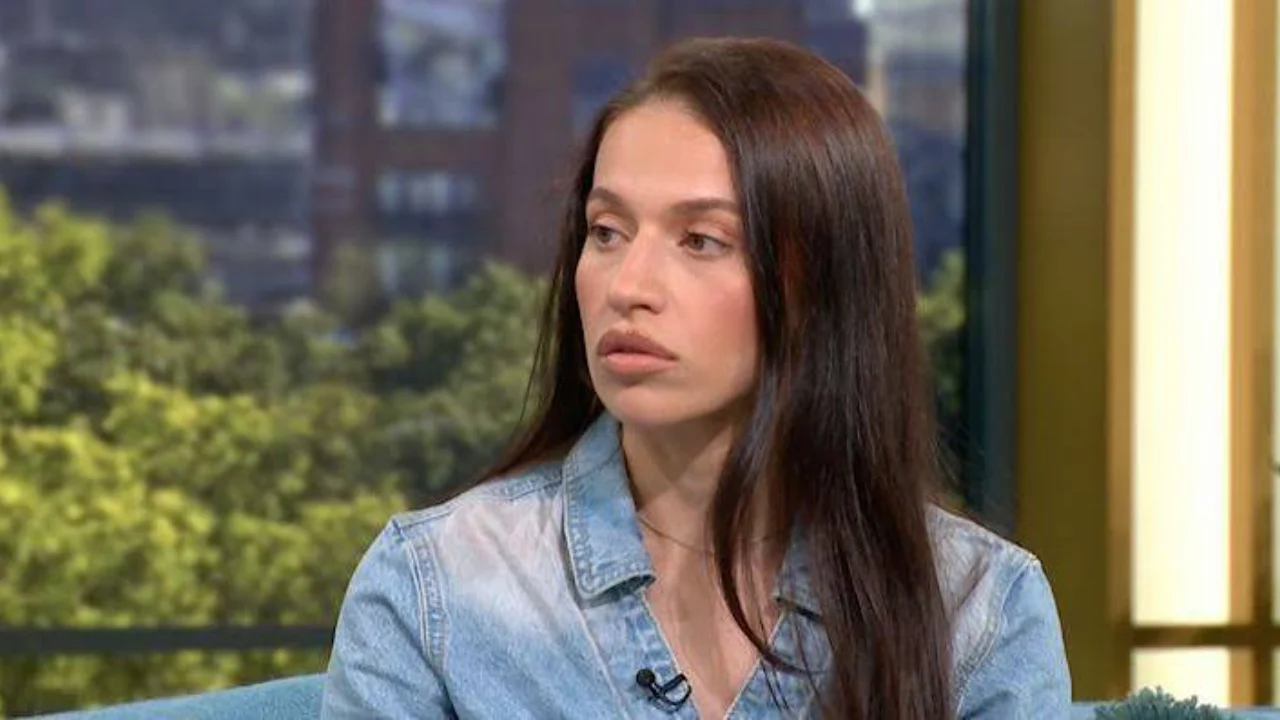
Tiana Broadnax became widely known after sharing the difficult and deeply personal story behind her decision to marry James Garfield Broadnax, a Texas death row inmate convicted in a 2008 double killing. Before their wedding, she spoke openly about their relationship, the criticism she received and her belief that the legal case against him deserved further review.
Tiana was known publicly as Tiana Krasniqi before the marriage. She travelled from the United Kingdom to Texas as James Broadnax faced an execution date in April 2026. Their relationship drew attention because it was formed in extraordinary circumstances. They never had ordinary dates, lived together or shared physical contact. Their connection developed through prison visits, calls and long conversations separated by glass.
For many people, the story was difficult to understand. For Tiana, it was a relationship based on daily communication, shared faith and her belief that James had been wrongly convicted. Their marriage was brief, highly restricted and held inside the prison system. It also came during the final weeks of a case that continued to spark debate over evidence, race, jury selection and the use of rap lyrics in capital punishment proceedings.
How Tiana Krasniqi Met James Broadnax
Tiana first contacted James Broadnax while working on academic research connected to racial disparities in the legal system. She had been studying international human rights law and was interested in issues surrounding the death penalty in the United States.
At the beginning, it was not a romantic connection. She reached out as part of her research and wanted to understand the experiences of people facing the most severe punishment in the American justice system. Over time, their conversations became more personal.
Tiana said their bond grew gradually. She spoke with James regularly, often for several hours at a time. In interviews before their marriage, she said that they had been able to talk through both happy and difficult moments despite the restrictions around them.
She described him as intelligent, polite and thoughtful. Her comments were not shared by everyone connected to the case, and many people found her support hard to accept because of his conviction. Still, Tiana made clear that she had reached her own conclusion after getting to know him over time.
The relationship also showed how different emotional connections can form. Most couples build a relationship through shared routines, physical closeness and time together in everyday settings. Tiana and James had none of that. Their relationship was built around words, calls, letters, visits and a belief that they understood each other deeply.
A Wedding Behind Glass
Tiana and James married on April 14, 2026, just over two weeks before his scheduled execution. The ceremony was held under Texas death row rules, which meant it could not look like a normal wedding.
There was no large gathering, no long celebration and no physical contact between the couple. Tiana had explained beforehand that the marriage ceremony would last around 20 minutes. An officiant was present, vows were exchanged, and the occasion ended quickly.
The limits of the ceremony made the occasion more emotional. A wedding is usually filled with family, friends, photographs and celebration. For Tiana, it was an intensely private moment taking place in a restricted setting, with the knowledge that their time together was uncertain.
She also said that support from people around her was limited. Tiana acknowledged that her loved ones struggled to understand the relationship. She did not appear angry about their reaction. Instead, she recognised that it was far outside what most people would consider a conventional marriage.
That honesty made her public interviews stand out. She did not pretend the situation was simple or easy. She knew that many people would focus on the crime, the conviction and the harm suffered by the victims’ families. Yet she believed that James was more than the case file attached to his name.
James Broadnax’s Conviction
James Broadnax was convicted and sentenced to death for the 2008 fatal shooting of Matthew Butler and Stephen Swan outside a recording studio in Garland, Texas. Prosecutors maintained that Broadnax and his cousin, Demarius Cummings, were involved in a robbery that led to the two men’s killings.
Cummings received a life sentence without parole. Broadnax was sentenced to death. The difference in their punishments became a major issue for Broadnax’s supporters, particularly after Cummings made a later claim that he had been the sole shooter.
Broadnax’s attorneys and supporters argued that the case raised serious concerns. They pointed to the later declaration by Cummings, allegations involving jury selection and questions about the use of Broadnax’s rap lyrics during his sentencing. They also argued that forensic evidence deserved closer consideration.
Prosecutors and the courts did not accept that these arguments provided a legal basis to overturn the conviction or halt the execution. Courts pointed to Broadnax’s earlier admissions and the evidence considered at trial. His final appeals were rejected, including an effort before the United States Supreme Court.
It is important to separate verified legal outcomes from the arguments made by supporters. Broadnax was convicted through the Texas court system, and courts ultimately left the sentence in place. At the same time, his wife, legal team and advocates continued to argue that the case involved unresolved issues.
Tiana’s Claims About the Case
Tiana Broadnax spoke publicly about why she believed James should not be executed. She questioned the reliability of his past confession, saying that he had been under the influence of PCP when he made statements accepting blame. She argued that his condition at the time affected his judgment and behaviour.
She also raised concerns about racial bias in the selection of jurors. Her argument focused on the principle established by the United States Supreme Court in Batson v. Kentucky, which prohibits excluding prospective jurors on the basis of race.
Another major issue was the use of rap lyrics. Broadnax’s supporters argued that prosecutors treated creative writing as evidence of dangerous character rather than evaluating it as artistic expression. This question has been debated in many criminal cases, with critics saying rap lyrics can be taken out of context and used unfairly against Black defendants.
Tiana also referred to Cummings’ later claim that he alone fired the weapon. Supporters believed this should have led to a new review. The courts, however, did not stop the execution. Legal appeals often face strict procedural standards, especially after a conviction has already been reviewed for years.
The Execution and Its Aftermath
James Broadnax was executed by lethal injection on April 30, 2026, at the Huntsville Unit in Texas. He was 37 years old. The execution went ahead after his final appeals were denied.
Tiana was present among the witnesses. Reports after the execution described her as devastated. She and Broadnax’s legal team continued to say that they believed the state had made the wrong decision.
The victims’ families also lived with the consequences of the case for nearly two decades. Matthew Butler and Stephen Swan were killed in 2008, and their loved ones had to endure years of hearings, appeals and public attention. Any account of this case must recognise their loss alongside the discussion of Broadnax’s legal claims and personal life.
This is what makes the story so painful. There are no easy conclusions for the people directly affected. Tiana lost her husband only weeks after marrying him. The victims’ relatives carried the grief of losing two family members. The case also renewed national discussion around capital punishment and whether the legal system can fully address claims of unequal treatment or disputed evidence before an execution takes place.
Why Tiana Broadnax’s Story Received Attention
Tiana’s story became news because it was unusual, emotional and connected to a major criminal justice issue. Her decision to marry a man on death row challenged public expectations about relationships, loyalty and redemption.
Some people saw her advocacy as devoted and brave. Others strongly disagreed with her position because of the severity of the crime for which Broadnax was convicted. Tiana never claimed that everyone would understand her. She instead spoke about the personal bond she believed they had built.
Her experience also highlighted a wider truth about death penalty cases. They affect far more people than the person sentenced. Families of victims, relatives of the accused, lawyers, prison staff, advocates and spouses can all carry the emotional weight of the process.
Tiana Broadnax’s marriage lasted only a short period of time, but her story remains tied to a larger debate about justice, punishment, race, evidence and the possibility of change.