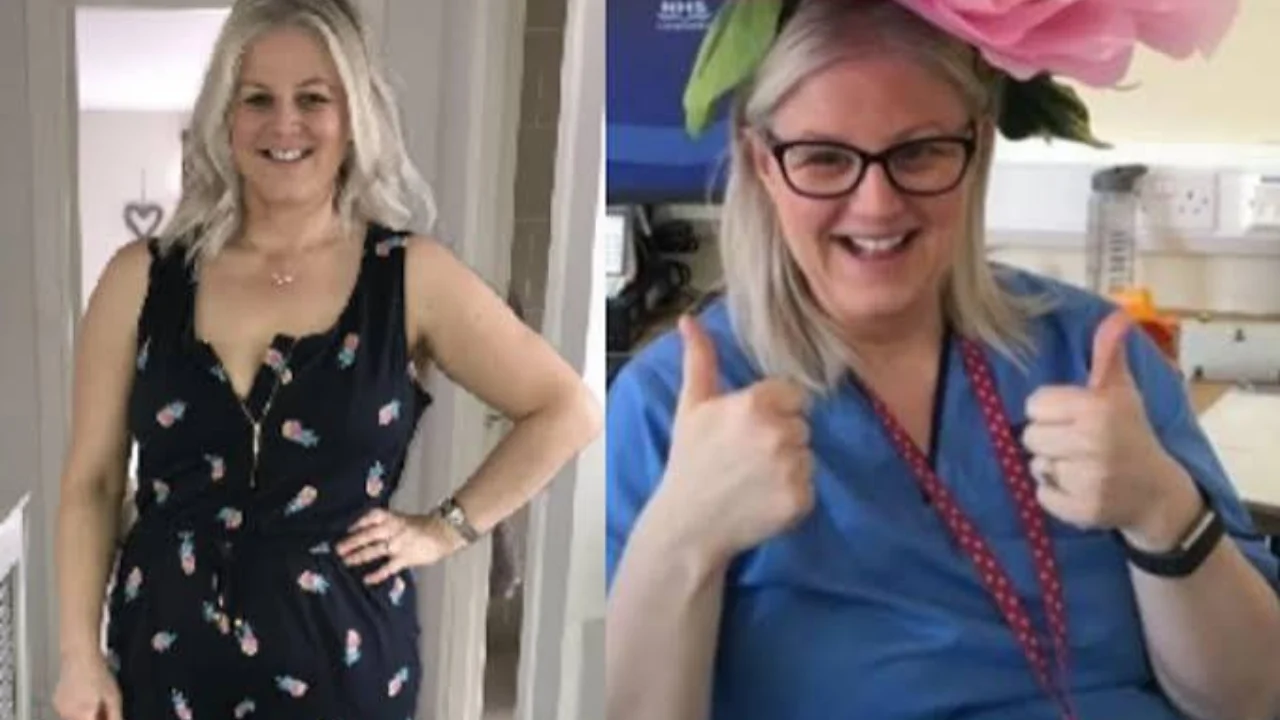
Elaine Dott’s weight loss story is not simply about a number on the scales. It is about confidence, routine, family life and deciding to make a personal change after a moment at work left her upset.
Elaine, the wife of former world snooker champion Graeme Dott, spoke publicly about losing almost three stone after changing her food choices, becoming more active and finding support through a local WW workshop in Larkhall, Lanarkshire.
At the time she shared her story, Elaine had worked as a nurse for more than two decades. As a school immunisation nurse and a busy mother of two, she spent much of her time caring for others. But she came to feel that she was neglecting her own wellbeing.
Her experience resonated with many people because it was not based on a quick-fix promise or an impossible routine. It was about making manageable decisions, planning ahead and sticking with a lifestyle that worked around a demanding job and family responsibilities.
The Comment That Prompted a Change
Elaine said a difficult comment from a nursing colleague became the moment that made her stop and think. She recalled feeling embarrassed when the colleague remarked in front of the team that her uniform was very tight.
The comment was hurtful, and it is important to say that no one should be shamed because of their body or weight. Public comments about someone’s appearance can damage confidence and self-esteem. However, Elaine explained that the moment made her confront how unhappy and unhealthy she felt at that point in her life.
She had reached a stage where she felt uncomfortable in her own body and lacked confidence. Instead of allowing that low moment to define her, she chose to make changes for herself.
Elaine’s decision was personal. She did not say she wanted to transform for public approval or to meet someone else’s expectations. She wanted more energy, greater self-belief and a healthier environment for her children.
That difference matters. Sustainable lifestyle changes are usually easier to maintain when they come from a person’s own reasons and goals rather than pressure from others.
Balancing Nursing, Parenting and Personal Health
As a nurse, Elaine was used to speaking with patients about healthy choices. That made her situation feel even more emotional. She said she felt uncomfortable advising others about healthier lifestyles while feeling unhappy with her own habits.
Many healthcare workers, parents and people with high-pressure jobs can relate to that feeling. It is often easier to remind others to rest, eat well or take care of themselves than it is to follow the same advice personally.
Busy schedules can make healthy routines difficult. Shift work, school runs, family meals, travel and stress can all affect food choices and exercise. When someone is caring for children or working long hours, their own health may end up at the bottom of a long list of priorities.
Elaine wanted her children to grow up in a home where healthy habits were normal and positive. She also wanted to feel better in herself. Those two reasons gave her a clear sense of purpose.
Her story shows that health goals do not need to be about perfection. They can begin with a simple wish to feel more comfortable, more active or more confident in daily life.
Joining a Local Support Group
Elaine joined a WW workshop in Larkhall and said that the support she received there was a major part of her progress. She credited her wellness coach, Jackie Oshea, with helping her feel welcomed, motivated and inspired from the beginning.
For some people, trying to lose weight alone can be difficult. There may be good intentions at the start, but motivation can fade after a stressful week or a small setback. A support group can help people stay focused without making them feel judged.
Elaine said the weekly meetings gave her accountability. She could share progress, listen to others and feel part of a group going through similar challenges. That regular connection helped her make the changes feel more realistic.
Support does not look the same for everyone. Some people prefer a friend, partner, family member or online community. Others may work with a doctor, dietitian or trained fitness professional. The key is finding encouragement that is kind, practical and sustainable.
Elaine’s experience suggests that community can be just as valuable as any food plan. Knowing that someone will listen and understand can make a huge difference when the process feels hard.
Planning Meals and Tracking Habits
One of Elaine’s key changes was planning her food. She said she began preparing meals in advance and writing down everything she ate.
This approach helped her become more aware of her usual habits. Food tracking can help some people notice where they are eating out of routine, boredom or stress. It can also make it easier to plan balanced meals and avoid impulsive choices.
Elaine described the plan as easy to follow because it fitted into her ordinary life. That is often the biggest challenge with any lifestyle change. If a routine is too strict or complicated, people may struggle to continue it for long.
Her progress came from consistency rather than dramatic restrictions. She learned how to organise food, think ahead and make choices that supported her goals. It was not about avoiding every enjoyable meal or never having a treat. It was about building a healthier overall pattern.
Everyone’s nutritional needs are different, particularly for people with medical conditions, pregnancy, medications or a history of disordered eating. Anyone thinking about making major changes to diet or activity should consider speaking with a qualified healthcare professional for advice that suits their individual needs.
Increasing Her Daily Activity
Elaine also chose to become more active. She bought a Fitbit to track her daily movement and said she aimed for roughly 13,000 to 14,000 steps a day.
A fitness tracker can be useful because it turns activity into something visible. Instead of guessing whether a person has moved enough during the day, they can see their progress and make small adjustments.
For a busy nurse and mother, walking was a practical choice. It did not require an expensive gym membership or long blocks of free time. Steps could be added through everyday routines, including walking during breaks, taking the stairs or going out with family.
The important part of Elaine’s story is that she found an activity she could maintain. A healthy routine does not need to look the same for everybody. Some people enjoy running, swimming, cycling, dance classes or strength training. Others simply prefer regular walks.
The best exercise plan is usually the one that a person can keep doing. It should support physical health without creating pressure, pain or exhaustion.
Managing Life on the Snooker Circuit
Elaine’s lifestyle also involved travelling with Graeme Dott during snooker events. Travel can make healthy routines more difficult because meal times change, food choices can be limited and normal daily habits disappear.
Instead of treating travel as a reason to give up, Elaine planned for it. She said she brought healthy snacks and trainers with her when she was away on the snooker circuit.
That simple preparation helped her keep her routine going outside home. It is a useful lesson for anyone who travels regularly for work, family commitments or holidays. Healthy habits do not need to stop just because the location changes.
Packing snacks, carrying a water bottle, checking walking routes and making time for movement can help people feel more in control. It is not about being perfect while travelling. It is about having options.
Elaine’s approach was practical. She understood that real life would continue to be busy, but she found ways to work around that reality instead of waiting for an ideal moment that might never come.
Her Results and Growing Confidence
Elaine began at 13 stone 7 pounds and later reached 10 stone 11 pounds, leaving her just 1.5 pounds from her stated target at the time of the report. That represented a loss of almost three stone.
The physical result was significant, but Elaine also spoke about the emotional change. She said the lifestyle shift gave her confidence back and helped her feel more like herself.
She had previously felt embarrassed and uncomfortable, including around her husband. After working toward her goals, she said she felt more confident and happier in her own skin.
Confidence is often a major part of a wellbeing journey. It may come from weight loss for some people, but it can also come from feeling stronger, sleeping better, cooking more often, becoming more active or simply keeping a promise to yourself.
Elaine’s story should not be read as a rule for what every person should do or what every body should look like. Health is personal, and it cannot be measured by weight alone. But her experience offers a reminder that small, repeated habits can create a meaningful change over time.
A Personal Story of Support and Determination
Elaine Dott’s journey was shaped by a painful moment, but it was sustained by something more positive: support, planning and determination. She did not rely on one dramatic change. She built a routine that included weekly encouragement, food preparation, movement and a clear reason to continue.
Her story also reflects the reality of many busy women who spend so much time looking after others that they forget to look after themselves. By making space for her own wellbeing, Elaine hoped to become a healthier and more confident version of herself.
The most lasting message is not about a dress size or a number on a scale. It is that meaningful change can begin with one decision, then grow through ordinary choices made day after day.