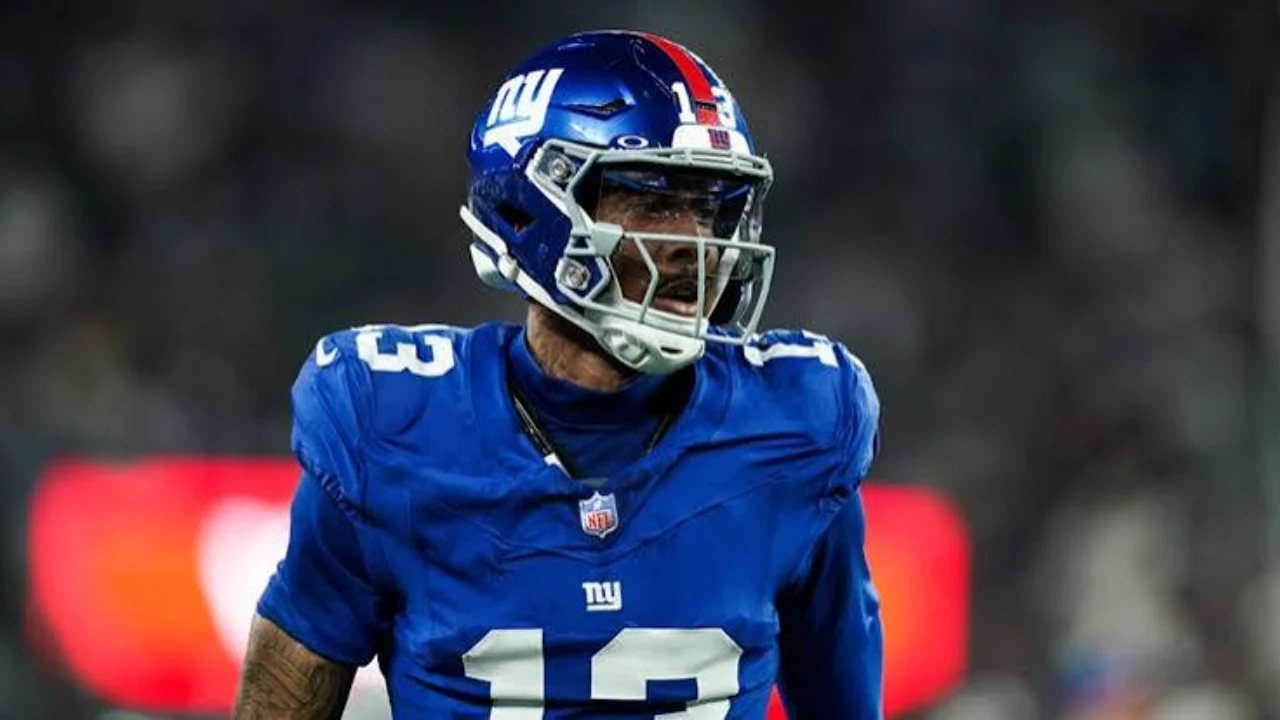
Odell Beckham Jr. has rarely been afraid to speak openly about issues extending beyond what happens on a football field. During one of the most uncertain periods in modern professional sports, the star wide receiver made his concerns especially clear when the NFL prepared to move forward with its 2020 season during the COVID-19 pandemic.
At the time, Beckham was playing for the Cleveland Browns and questioned whether bringing dozens of players, coaches and staff members together for a contact-heavy sport was the right decision. His comments came as professional leagues across the United States were trying to determine whether competition could safely continue.
For Beckham, the issue wasn’t simply whether football could technically return. He was concerned about the people expected to take those risks and whether financial considerations were playing too large a role in the decision.
Odell Beckham Jr. Had Serious Concerns About the NFL Season
In an interview conducted ahead of the 2020 NFL season, Beckham openly questioned the push to resume football while COVID-19 remained a major public health concern.
His position centered on the basic nature of the sport. Football requires close physical contact on virtually every play, and NFL organizations normally bring together large groups of players, coaches, trainers and other employees.
Beckham argued that those realities made football considerably more complicated than simply reopening a stadium and playing games without the usual crowds.
“We’re not ready for football season,” he said at the time while discussing his concerns.
The comment captured the uncertainty surrounding professional sports in 2020. Athletes were being asked to return to competition while information about the virus, transmission and effective safety procedures continued to develop.
For Beckham, there was no easy way to separate football from that wider situation.
Why Beckham Believed Football Was Different
One part of Beckham’s argument involved comparing the NFL with professional basketball.
Basketball had developed a highly controlled environment for completing its interrupted season. Beckham pointed out that football presented a very different challenge.
An NFL game has far more people involved than a five-on-five basketball contest. Football players also repeatedly tackle, block and collide with one another. Teams traditionally share crowded locker rooms, training facilities and meeting areas throughout the week.
That made Beckham question whether the same logic used to restart other sports could simply be applied to football.
He was looking at the situation from a player’s perspective. Preparing for an NFL game isn’t limited to the few hours viewers see on television. Players spend days practicing together, attending meetings, receiving treatment and working inside team facilities.
The sheer number of people involved was central to his concern.
The NFL and Players Association Developed Safety Protocols
Beckham’s comments came during a period when the NFL and NFL Players Association were negotiating how the season could operate.
The two sides eventually reached agreements covering a range of COVID-related issues, including health procedures, testing and adjustments required because of the pandemic.
The league maintained that protecting players, coaches and personnel was a priority and said its protocols had been developed with input from medical and public health experts.
Players across the NFL had different opinions about returning. Some were comfortable proceeding under the new rules, while others remained worried about the health implications for themselves and their families.
The league also provided an opt-out process that allowed eligible players to sit out the season under negotiated conditions.
Beckham ultimately played for Cleveland during the 2020 season. His earlier comments, however, remain an example of just how uncertain the situation appeared before games actually began.
Beckham Also Raised Questions About the Player-Owner Relationship
Health wasn’t the only issue Beckham discussed.
His comments moved into a broader conversation about the relationship between professional football players and NFL ownership.
Beckham questioned whether financial motivations were influencing the determination to proceed with the season. He also expressed frustration about what he viewed as an unequal dynamic between players and those running NFL organizations.
It was a significant point because professional athletes can earn enormous salaries while still operating within a league structure controlled by franchise owners and collective bargaining agreements.
Players provide the performance that makes the sport possible, but decisions involving schedules, business operations and league policies often require negotiations involving ownership, the league office and the players association.
The pandemic placed that relationship under unusual pressure.
Suddenly, discussions that normally centered on salaries, contracts and working conditions included questions about exposure to a new virus.
His Comments Reflected a Bigger Debate Across Sports
Beckham wasn’t alone in thinking about these questions.
Across professional sports, athletes were deciding whether returning to work was worth the potential health risks. Some players opted out of seasons entirely, particularly when they or members of their families faced additional medical concerns.
The discussion also highlighted a reality that can sometimes disappear behind the entertainment of professional sports.
Athletes have families and personal responsibilities outside their careers.
A football player might be young and physically fit, but that did not mean everyone around that player faced the same level of risk. Athletes also had to consider what repeated travel and interaction with teammates could mean when they returned home.
Beckham’s comments therefore became part of a much larger discussion about what employers could reasonably expect from workers during an unprecedented health crisis.
The Pandemic Changed Beckham’s Life Away From Football
Football wasn’t the only part of Beckham’s life disrupted by COVID-19.
He also spoke about missing the freedom to travel.
After reaching the NFL, Beckham had gained opportunities to visit places he had never experienced earlier in life. Professional success gave him the ability to travel with family members and explore different parts of the world.
The pandemic suddenly removed much of that freedom.
International travel became difficult, events disappeared from calendars and everyday routines changed almost overnight.
For an athlete accustomed to a packed schedule of games, training, travel and public appearances, the sudden slowdown represented a dramatic lifestyle shift.
That period gave many professional athletes something they rarely experience during their careers: extended time away from the normal rhythm of professional competition.
Odell Beckham Jr. Was Also Thinking About Social Change
The summer of 2020 was defined by more than the pandemic.
Protests and national conversations about racial inequality intensified across the United States following the killing of George Floyd in Minneapolis.
Beckham publicly supported the Black Lives Matter movement and said he wanted to understand how he could contribute to meaningful change.
Rather than presenting himself as someone who already had every answer, he talked about wanting to find additional ways to help and become part of a solution.
That reflected another major change occurring within professional sports at the time.
Athletes were increasingly using their public platforms to discuss subjects that extended far beyond their individual games. Conversations about racial justice, policing and equality appeared throughout basketball, football and other major sports.
Beckham was among the prominent NFL players willing to participate in those discussions.
Beckham’s Career Was Already Bigger Than Football
By 2020, Beckham was already one of the NFL’s most recognizable personalities.
His spectacular one-handed catches, explosive athletic ability and distinctive personality had made him a major name almost immediately after he entered the league with the New York Giants.
That level of fame also meant his comments attracted attention beyond ordinary football coverage.
When Beckham questioned the NFL’s return, he wasn’t simply talking about whether Cleveland could win games. He was addressing workplace safety, the relationship between athletes and team owners, and the responsibility professional leagues had toward the people participating in their product.
Not everyone agreed with his conclusions. The NFL believed its season could proceed with extensive precautions, while Beckham’s initial position was considerably more cautious.
That disagreement reflected the uncertainty of the moment rather than a simple argument with an obvious answer.
What Happened After Beckham’s Comments?
The NFL eventually went ahead with the 2020 season.
Beckham returned to the Browns and played seven games before suffering a torn ACL against the Cincinnati Bengals in October, ending his season early.
Cleveland continued without him and reached the playoffs, defeating the Pittsburgh Steelers in the Wild Card round before losing to the Kansas City Chiefs.
The NFL completed its season and held Super Bowl LV in February 2021. The league’s ability to finish the schedule didn’t erase the concerns players had expressed months earlier, but it showed how dramatically professional sports organizations adapted their operations during the pandemic.
Beckham’s own career continued through several major changes after that period, including leaving Cleveland and joining the Los Angeles Rams during the 2021 season. He later scored a touchdown in Super Bowl LVI as the Rams defeated the Cincinnati Bengals, although a knee injury forced him out of the game.
A Revealing Moment in Odell Beckham Jr.’s Public Life
Looking back, Beckham’s pandemic comments provide an interesting snapshot of a moment when nobody knew exactly how professional football would function.
His concerns weren’t simply about playing a game. They touched on health, personal freedom, workplace power and the responsibilities that come with having a large public platform.
The NFL eventually found a way to complete the season, but that outcome doesn’t change how uncertain everything looked before the opening kickoff.
For Beckham, the period showed another side of a player frequently known for highlight catches and headline-making moments. He was thinking about the people behind the sport, questioning decisions that directly affected players and considering how his own influence could extend beyond football.
Years later, those comments remain closely connected to an extraordinary chapter in NFL history, when even something as familiar as a Sunday football game suddenly carried questions nobody in the league had faced before.